Blocked drains are a common issue faced by many Australian households and can lead to significant inconvenience and damage if not addressed promptly. Understanding what causes blockages, recognising the early warning signs, and knowing the solutions can save homeowners time, stress, and money. This guide will delve into various aspects of blocked drains, detailing common causes, identifiable signs, and available professional clearing solutions tailored for Australian homes. Many residents may experience frustration or degradation of their plumbing systems due to neglecting these issues, but quick action and expert assistance can greatly reduce the impact of blocked drains. Here, we will provide an overview of the necessary preventative measures and clearing methods, ensuring you’re well-informed about how to maintain your home’s drainage systems.
Comprehensive Guide on Blocked Drains in Australia
Blocked drains pose a serious concern for homeowners as they can disrupt daily life and, if left unattended, lead to more severe plumbing issues. The condition arises when waste materials and debris accumulate within the pipes, obstructing the proper flow of water. In Australia, certain environmental factors such as heavy rainfall, unique soil types, and tree root growth contribute significantly to drainage issues. Understanding these factors allows homeowners to take proactive measures to prevent blockages and seek the right professional assistance when necessary.
Common Causes of Blocked Drains
There are several reasons why drains become blocked, often due to a combination of household habits and environmental factors.
- Grease Buildup: Grease from cooking can accumulate in pipes over time, leading to significant blockages as it hardens and traps other debris.
- Tree Roots: Tree roots can infiltrate drains searching for water and nutrients, causing damage and blockages as they grow.
- Foreign Objects: Items such as wipes, sanitary products, and food scraps can easily obstruct drains, especially if they are improperly disposed of.
How Do Tree Roots and Household Waste Contribute to Drain Blockages?
Tree roots are a major contributor to blocked drains, predominantly when they invade sewer systems in search of moisture. The roots can penetrate joints in the pipes, causing cracks and blockages. Combined with household waste, including hair, soap scum, and food particles, the risk of a blockage increases significantly. Homeowners can mitigate these issues by regularly inspecting their plumbing and utilising root barriers during landscaping.
What Other Factors Like Grease and Foreign Objects Cause Drain Problems?
Grease buildup occurs when fats, oils, and grease (FOG) are washed down the sink, slowly accumulating and hardening within the pipes. Additionally, foreign objects like plastic and food waste can create a solid mass that is difficult to remove. Ensuring only biodegradable materials enter the drainage system and utilising strainers can prevent such issues from occurring.
Signs for Early Identification
Timely intervention can prevent serious complications when dealing with blocked drains. Recognising the signs early can help mitigate damage and minimise costs.
- Slow Draining Water: Water takes longer than usual to drain, indicating a potential blockage forming.
- Unpleasant Odours: Foul smells often accompany blockages, resulting from stagnant water or decomposing material.
- Gurgling Sounds: Gurgling noises when using the sink or toilet indicate trapped air failing to escape, often signaling a clogged pipe.
Which Symptoms Indicate Slow Draining or Unpleasant Odours?
If water pools in the sink or bathtub, it may be a sign that the drain is beginning to clog. Homeowners should also be aware of unusual odours, as they can signify organic waste buildup in the plumbing system. It’s essential to act upon these symptoms quickly to address minor issues before they escalate.
What Visual and Auditory Cues Should Homeowners Watch For?
Unexpected gurgling sounds can arise when there’s a blockage, as air pockets struggle to push through the partially obstructed pipes. Homeowners should also be vigilant about wet patches around drains or unusually high water levels in toilets, signalling that something may not be right. Awareness of these signs can lead to quicker, less expensive solutions to blocked drains.
Available Professional Clearing Solutions
When a blockage occurs, professional solutions can effectively address the issue, ensuring plumbing systems function correctly.
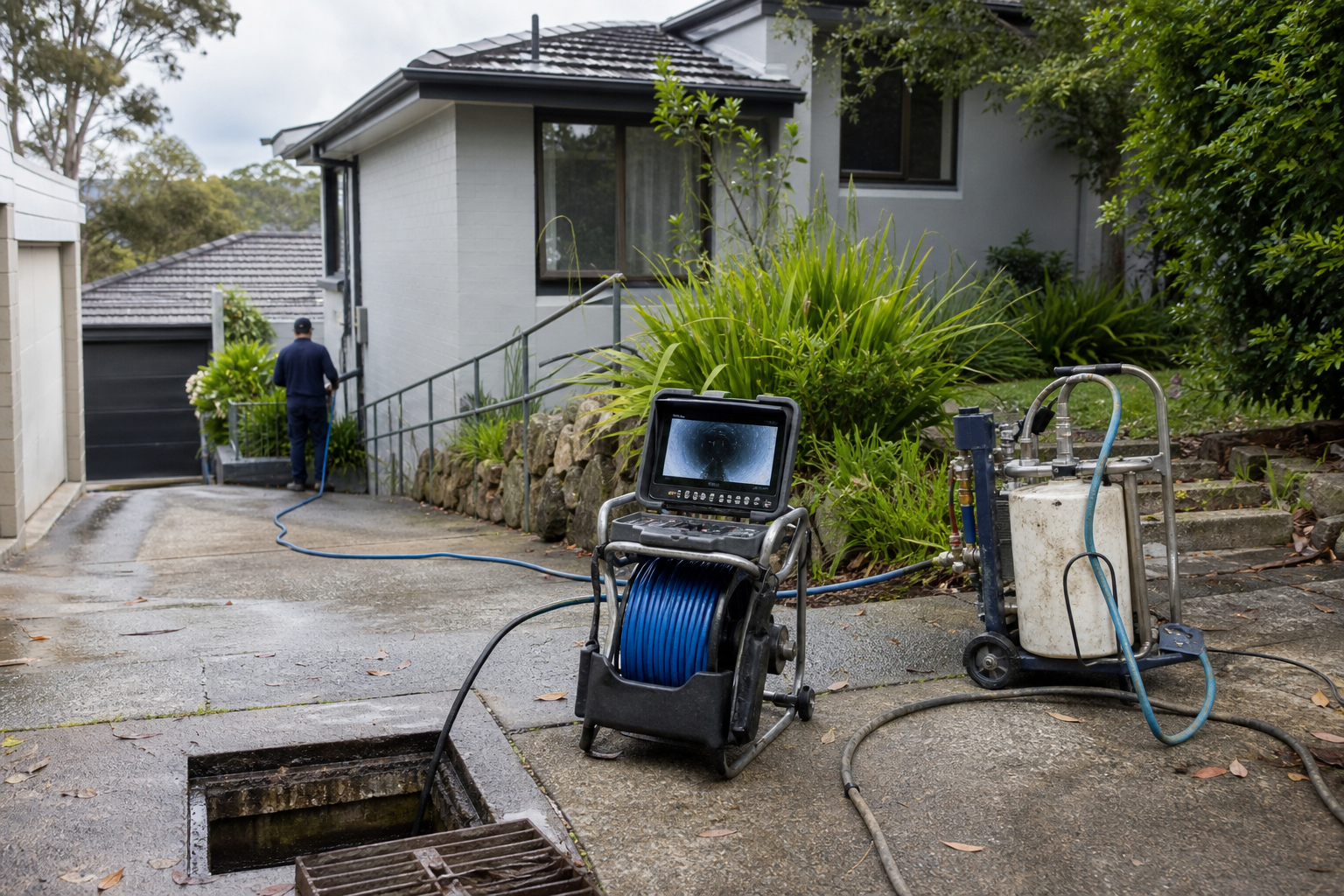
- CCTV Drain Inspections: Using camera technology, professionals can identify the exact location and cause of blockages within the pipes.
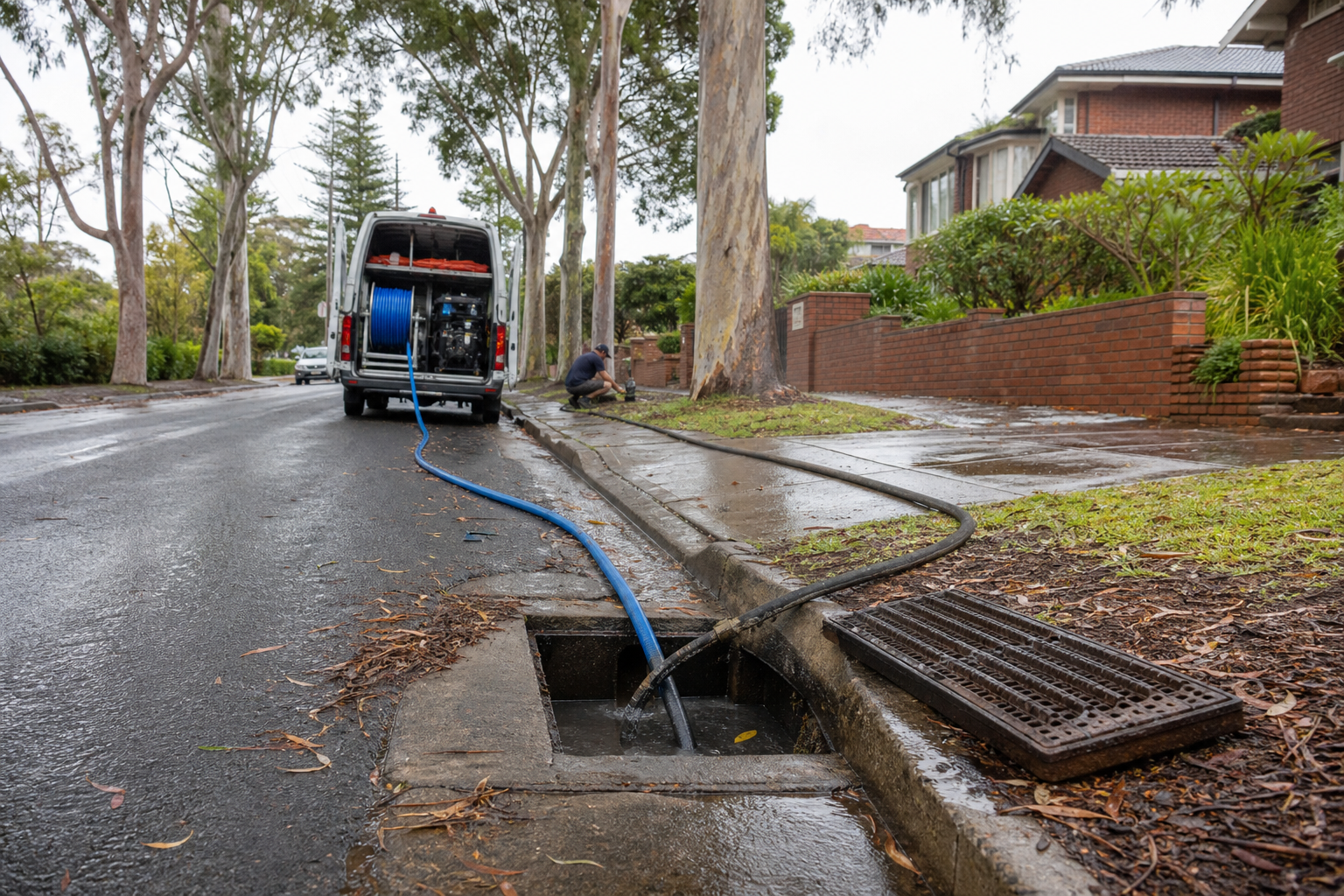
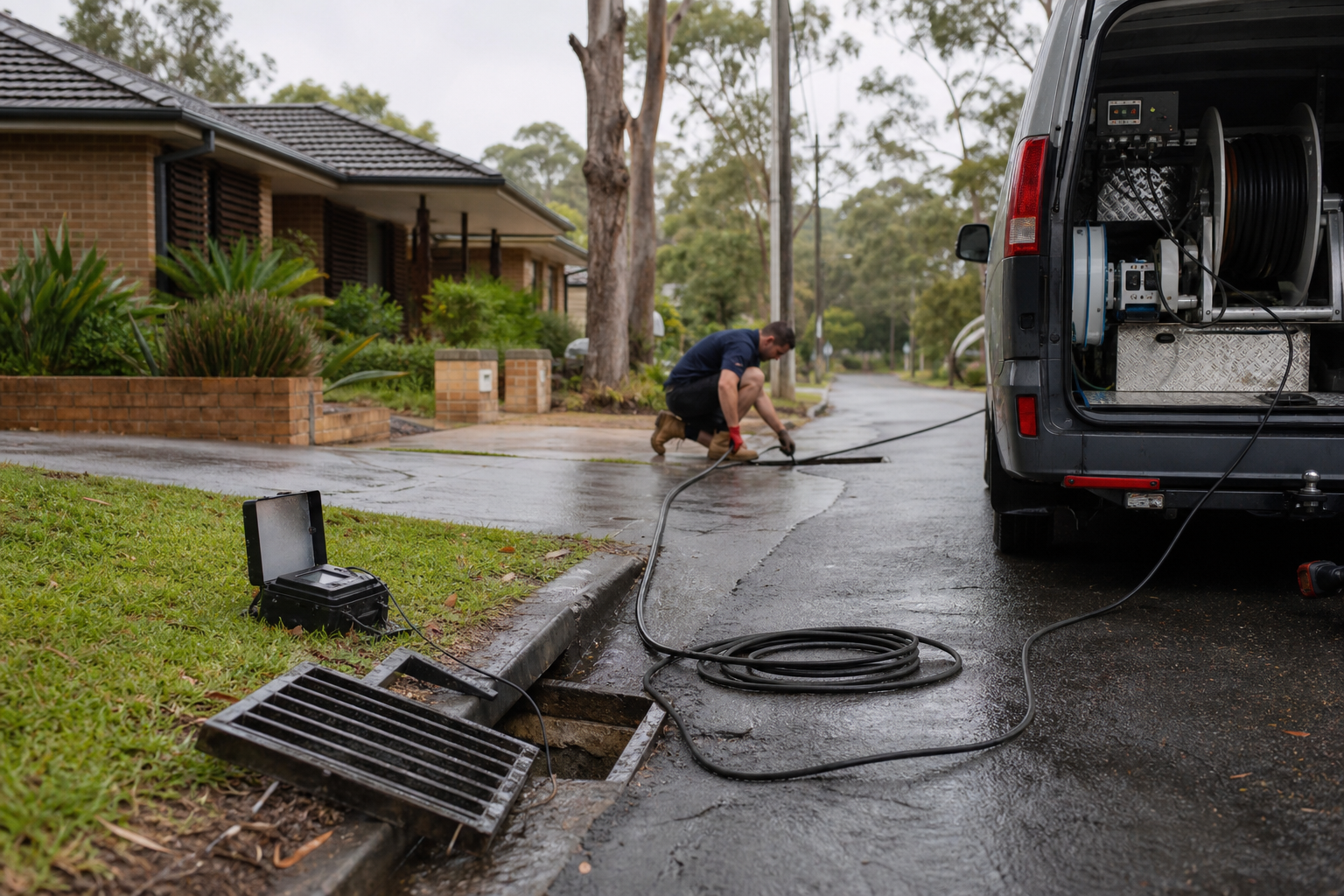
- High Pressure Water Jetting: This method uses pressurised water to clear debris and restore normal flow in the pipes.
- Pipe Relining: This innovative technique involves creating a new pipe within the existing one, sealing leaks and ensuring durability against future blockages.
How Does Hydro Jetting Technology Work and Why Is It Effective?
Hydro jetting utilises high-pressure water streams to dislodge clogs and clear the interior walls of pipes. This technique is effective because it not only removes blockages but also cleans the pipes, thereby preventing future accumulation of debris. Professional plumbing services often employ this method as part of their maintenance procedures.
High-Pressure Pulsating Water Jet for Drain Clearing: An Australian Contextual Analysis
This article details research findings on machining processes utilising a pulsating water jet. The investigation focused on the impact of water velocity and pressure, offering insights into the dynamics of pulsating water jets. A comprehensive evaluation of pulsating water jet generation was undertaken across various models of self-excited pulsating heads. The primary objective was to ascertain the influence of the self-excited pulsating head’s geometric parameters and hydrodynamic operating conditions on its performance, the dynamic characteristics of the resultant water jet, and its technological viability for material erosion. Initially, simulation studies were performed on three self-excited pulsating head models. These simulations led to the selection of a suitable geometric solution. Subsequently, experimental studies were conducted using the chosen self-excited head and bespoke research apparatus. For the selected self-excited pulsating head configuration, pulse durations, jet thrust forces, and frequency variations were quantified across different working pressure values. The analysis revealed a correlation between the head’s geometric parameters, pressure fluctuations, and the characteristics of the pulses generated within the pulsed water jets. Pulse generation was facilitated by increasing water flow through lateral apertures. Pulses with greater water volume demonstrated enhanced erosive potential, particularly evident at elevated pressures. It was observed that pressure variations also influenced pulse frequency, with shorter intervals noted at lower pressures and longer intervals at higher pressures. The findings presented in this paper underscore the significance of tool geometry and changes in water pressure at the inlet to the self-excited pulsating heads, as well as the dynamics of the pulsed water jet. Research into the pulse generation mechanism and the assessment of erosive potential can serve as a foundation for optimising the design and operation of pulsating water jet systems.Assessment of the effectiveness of high-pressure water jet machining generated using self-excited pulsating heads, M Szada-Borzyszkowska, 2024.
What Are Mechanical Clearing Techniques and When Are They Used?
Mechanical clearing involves the use of tools such as snakes and augers to physically remove blockages from the drains. These methods are useful for acute blockages caused by solid objects. However, for persistent issues or widespread blockages throughout a plumbing system, more advanced methods like hydro jetting may be recommended.
How Do Emergency Plumber Drain Clearing Services Respond in Australia?
In Australia, emergency plumber drain clearing services play a crucial role in addressing urgent plumbing issues swiftly and effectively. Homeowners can expect timely responses from professionals trained to manage severe cases of blockage.
- Emergency Response Times: Qualified services often guarantee rapid response to minimise further damage and disruption.
- Upfront Pricing Strategies: Most professional services provide clear pricing before any work commences, helping homeowners understand potential costs associated with drain clearing.
What Are Typical Emergency Response Times and Service Guarantees?
Emergency plumber services in Australia generally aim for a response time of 30 minutes to 2 hours. This ensures that urgent issues, such as overflowing toilets or backed-up sinks, are addressed promptly. Many companies also provide guarantees on their work, ensuring homeowners receive quality service and assurance.
How Is Upfront Pricing and Detailed Reporting Established for Emergency Drain Clearing?
Professional services typically establish clear pricing through an assessment of the job at hand. Homeowners receive detailed reports of the issues identified and the solutions implemented, ensuring transparency and trust in the services rendered.
Understanding the causes and signs of blocked drains is critical for every Australian homeowner. By paying attention to early warning signs and being proactive with professional solutions, you can protect your home from the potential damages associated with blocked drains. With expert services such as those offered by Dane’s Drains, homeowners can rely on specialised knowledge tailored to effectively manage and resolve such plumbing challenges.